
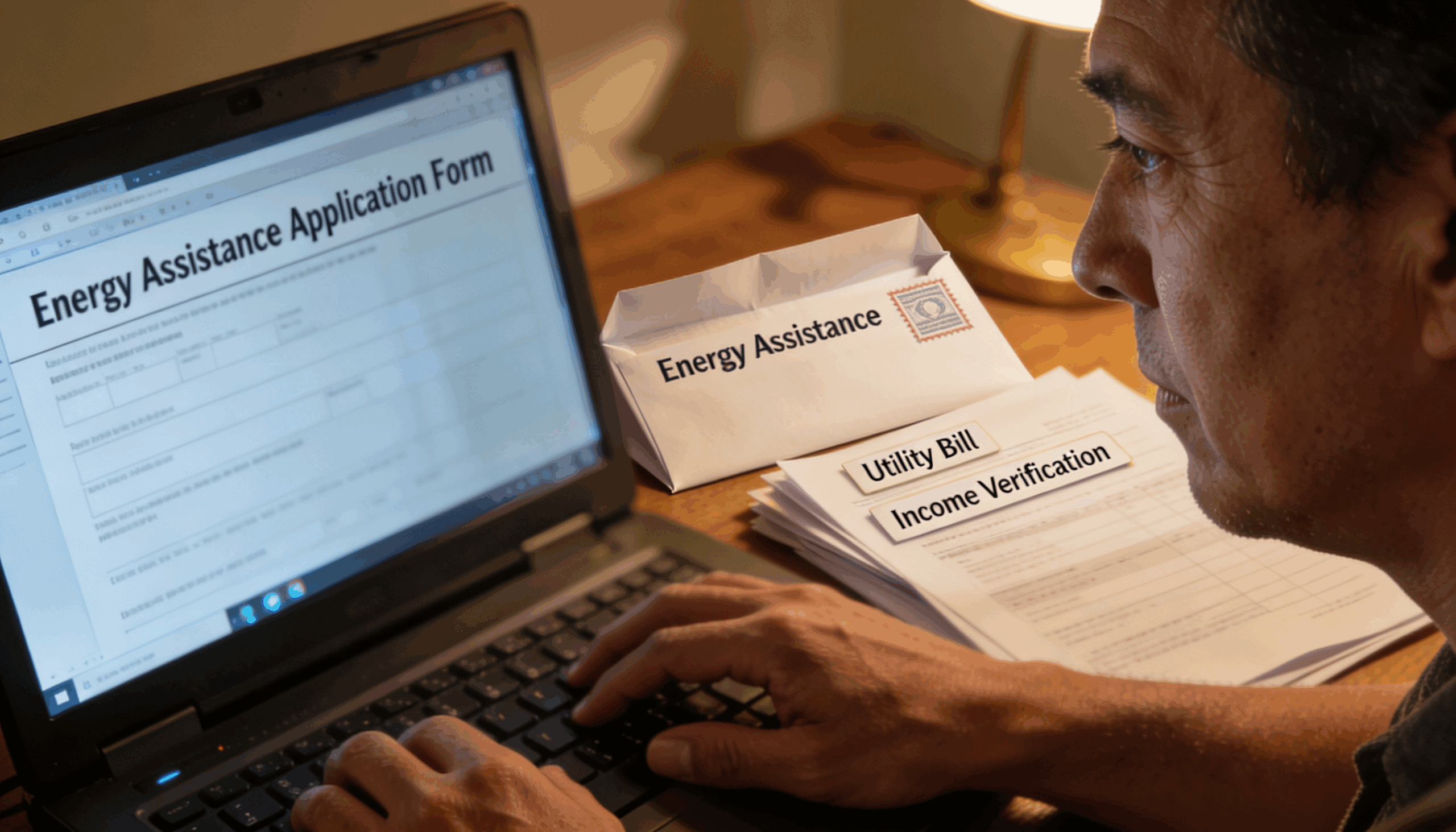
If you’ve applied for LIHEAP in the past and were denied, you’re not alone. Every year, thousands of eligible households are turned away. Not because they don’t qualify permanently, but because eligibility rules, funding levels, and personal circumstances can change. A denial does not mean you should never apply again.
LIHEAP, the Low Income Home Energy Assistance Program, is designed to help eligible households manage heating and cooling costs. Understanding why denials happen and what steps to take next can significantly improve your chances in the future.
Understanding Why LIHEAP Denials Happen
LIHEAP is a federally funded but state-administered program. That means eligibility rules, income limits, and application timelines vary by state and can change each year.
Common reasons applicants are denied include:
- Income slightly above the limit at the time of application
- Missing or outdated documentation
- Funds running out before the application was processed
- Applying outside the official enrollment period
- Household size or energy burden not meeting priority criteria
A denial is often based on timing or documentation, not permanent ineligibility.
Official information about LIHEAP eligibility can be found through the U.S. Department of Health and Human Services:
https://www.acf.hhs.gov/ocs/programs/liheap
Why Reapplying Makes Sense
Many people assume that once they are denied, they should not apply again. This is a mistake.
LIHEAP eligibility can change due to:
- Changes in household income
- Job loss, reduced hours, or new employment expenses
- Increases in energy costs
- Medical expenses or disability status
- Changes in household size
- New priority rules set by the state
Even if nothing major has changed in your household, annual income thresholds and state guidelines often change, making reapplication worthwhile.
Income Limits Change Every Year
LIHEAP income limits are tied to federal poverty guidelines or a percentage of state median income. These figures are updated regularly.
If you were denied last year due to income, you may qualify this year simply because:
- Federal poverty levels increased
- State median income thresholds changed
- Your gross or net income shifted slightly
Income eligibility is not static. Always check the current year’s limits before assuming you still do not qualify.
General guidance on help with energy bills is available through USA.gov:
https://www.usa.gov/help-with-energy-bills
Documentation Issues Can Lead to Denial
Many LIHEAP denials happen due to paperwork problems rather than ineligibility. Common issues include:
- Missing proof of income
- Incorrect household size information
- Incomplete utility bill documentation
- Expired identification or residency proof
Before reapplying, gather updated documents, including recent pay stubs, benefit statements, utility bills, and proof of residency. Submitting a complete application can make a significant difference.
Funding Availability Matters
LIHEAP funds are limited and distributed on a first-come, first-served basis in many states. Some applicants are denied simply because funds were exhausted by the time their application was reviewed.
Applying earlier in the season (especially at the start of heating or cooling assistance periods) can improve approval chances.
State LIHEAP offices determine application windows, so checking deadlines is essential.
Priority Groups May Change
States are allowed to prioritize certain households, such as:
- Seniors
- Households with young children
- People with disabilities
- Households with high energy burdens
- Those facing utility shutoffs
If your household status has changed since your last application, you may now fall into a higher-priority category even if you were previously denied.
How to Recheck Your Eligibility
Start by contacting your local LIHEAP office, not just the national program. Local agencies can explain:
- Why your application was denied
- Whether you qualify under current rules
- What documents you need to strengthen your application
- When to reapply
You can find your local LIHEAP office through trusted portals or the official LIHEAP directory:
https://www.liheap.org/directory
Additional Energy Assistance Options
If LIHEAP is unavailable or funding has run out, there may be other programs to explore, including:
- Utility company hardship or payment plans
- Weatherization Assistance Programs
- State or city emergency energy funds
- Nonprofit or community-based energy assistance
Many of these programs work alongside LIHEAP and may accept applicants who were previously denied.
Avoiding Common Mistakes When Reapplying
To improve your chances:
- Apply early in the season
- Double-check income calculations
- Submit all required documents at once
- Keep copies of everything you submit
- Ask your local agency about appeal or reconsideration options
Some states allow applicants to appeal or request a review if they believe a denial was incorrect.
Conclusion: A Past Denial Does Not Mean Future Ineligibility
Being denied LIHEAP in the past does not mean you will be denied again. Eligibility rules, income limits, funding availability, and household circumstances change frequently. Many households qualify after being denied simply by reapplying with updated information or during a new funding cycle. By reviewing current eligibility guidelines, preparing accurate documentation, and contacting your local LIHEAP office, you can determine whether assistance is now available. Rechecking your eligibility is a practical step that could lead to meaningful relief from energy costs when you need it most.
No responses yet