
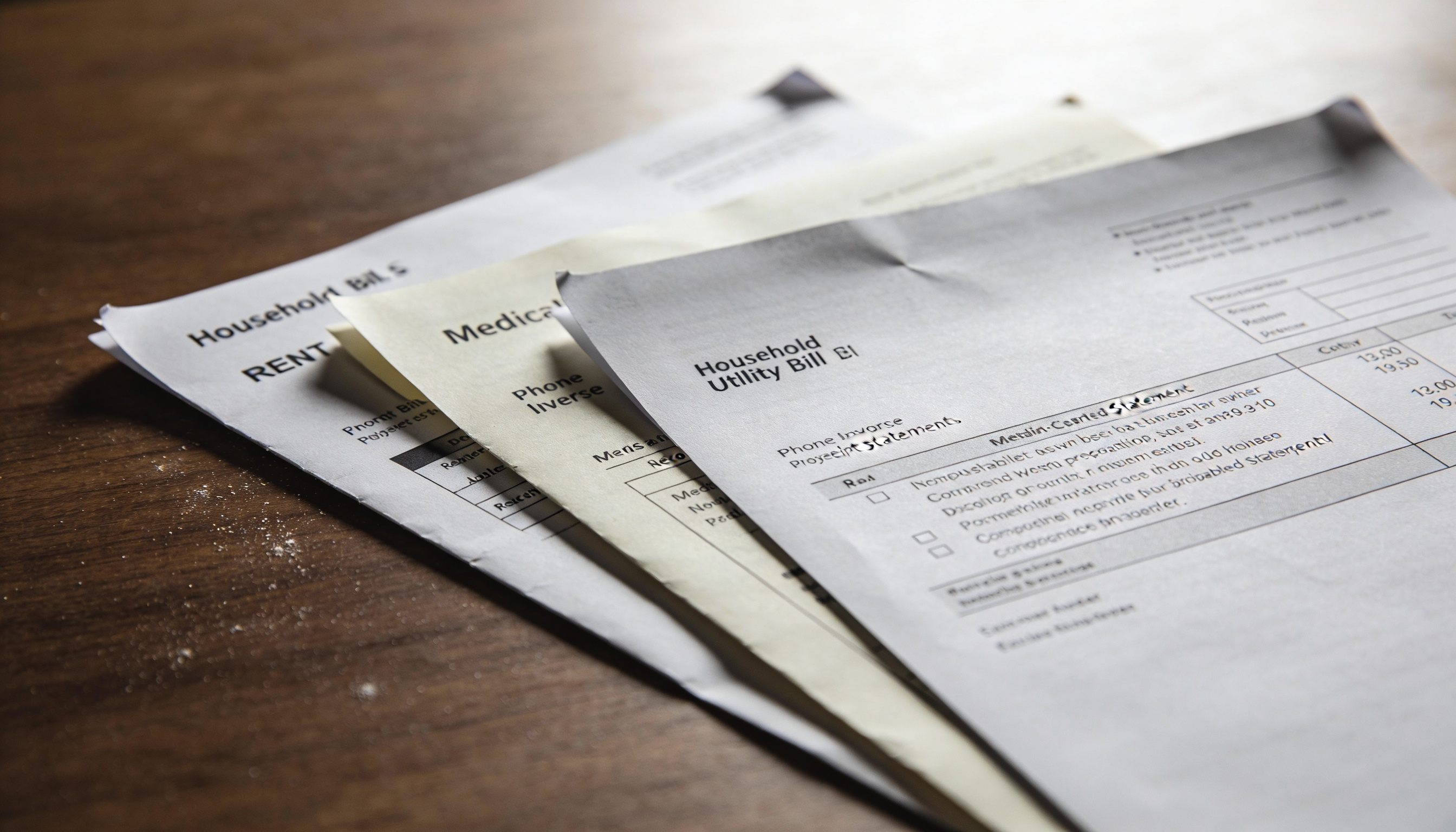
A job loss or sudden reduction in income can create immediate financial pressure, even for households that were previously stable. When paychecks shrink or stop, essential expenses like rent, utilities, groceries, and health coverage can quickly become harder to manage. While this type of hardship is stressful, it is also common, and there are established assistance programs in the United States designed specifically to support people during periods of transition.
The key is knowing what options exist, what help is available quickly, and how to approach the situation in a practical, step-by-step way. Assistance programs are meant to provide temporary stability while individuals regain financial footing through new employment, adjusted income, or other resources.
Immediate Support Through Unemployment Benefits
One of the first resources to consider after a job loss is unemployment insurance. Unemployment benefits provide temporary income support for eligible workers who lose employment through no fault of their own.
Each state administers its own unemployment program, but federal guidance and links to state offices are available through the U.S. Department of Labor:
https://www.dol.gov/general/topic/unemployment-insurance
Applying promptly is important, as benefits typically begin after eligibility is confirmed and may take time to process.
Help With Food Costs Through SNAP
When income drops, grocery budgets are often one of the first areas affected. The Supplemental Nutrition Assistance Program (SNAP) helps eligible households afford food through monthly benefits.
SNAP eligibility is based on income and household size, and many people qualify after a job loss even if they did not qualify previously while employed.
Official SNAP information is provided by the U.S. Department of Agriculture:
https://www.fns.usda.gov/snap/supplemental-nutrition-assistance-program
Because SNAP responds to changes in income, households experiencing reduced earnings are encouraged to apply as soon as possible.
Health Coverage Options Through Medicaid and Marketplace Plans
Health insurance can become uncertain after employment changes, especially if coverage was provided through an employer.
Medicaid
Medicaid provides free or low-cost health coverage for eligible low-income adults, children, seniors, and individuals with disabilities. A job loss or reduced income may make a household newly eligible.
Official Medicaid information is available at:
Health Insurance Marketplace
Those who lose employer coverage may qualify for a Special Enrollment Period through the Health Insurance Marketplace, allowing them to enroll outside the normal open enrollment window.
Marketplace coverage information is available at:
Rental Assistance and Housing Support
Housing is often the largest monthly expense, and even a temporary income disruption can make rent difficult to manage.
Housing Choice Voucher Program (Section 8)
The Housing Choice Voucher Program helps eligible households afford rental housing by limiting rent payments to a portion of income, with the remainder subsidized.
HUD’s official program page:
https://www.hud.gov/topics/housing_choice_voucher_program_section_8
Waiting lists may be long, but applying early can be beneficial.
Emergency Rental Assistance
Many state and local agencies still operate emergency rental assistance programs that help households catch up on overdue rent or avoid eviction during short-term hardship.
The U.S. Treasury provides guidance on Emergency Rental Assistance:
Availability varies by location, so local housing departments manage applications.
Utility Bill Assistance During Income Transitions
Utility costs remain constant even when income changes. Several programs exist to prevent service interruptions and help households manage energy expenses.
LIHEAP
The Low Income Home Energy Assistance Program (LIHEAP) helps eligible households pay heating and cooling bills and provides crisis support in some cases.
Official LIHEAP information:
https://www.acf.hhs.gov/ocs/programs/liheap
LIHEAP is administered locally, and eligibility often changes when household income drops.
USA.gov also provides a general overview of help with utility bills:
https://www.usa.gov/help-with-utility-bills
Short-Term Cash and Family Support Programs
Some households may qualify for additional transitional support through Temporary Assistance for Needy Families (TANF). TANF provides limited cash assistance and supportive services for families with children.
Official TANF information:
https://www.acf.hhs.gov/ofa/programs/tanf
TANF is administered by states, and eligibility depends on family size, income, and other factors.
Support for Families With Children
Households with dependents may qualify for programs designed specifically to protect child health and stability.
WIC
The Special Supplemental Nutrition Program for Women, Infants, and Children (WIC) provides food assistance and nutrition support for pregnant individuals and children under age five.
Official WIC information:
CHIP
The Children’s Health Insurance Program (CHIP) provides coverage for children in families that earn too much for Medicaid but still need affordable insurance.
Official CHIP information:
Local and Community-Based Resources
In addition to federal programs, local nonprofits and community agencies often provide emergency help with:
- Food pantries
- Utility shutoff prevention
- Rental support
- Transportation assistance
- Case management services
A trusted starting point is the United Way’s 211 network, which connects households with local services by ZIP code:
Managing Transitional Hardship Without Panic
A reduction in income does not automatically mean long-term instability. Many assistance programs are structured specifically for short-term hardship, helping households stay current on essentials while they adjust.
Practical steps include:
- Applying early, since processing takes time
- Gathering documentation such as pay stubs, termination notices, or benefit letters
- Communicating with landlords and utility providers about hardship plans
- Using multiple programs legally, since many address different needs
Assistance is often most effective when accessed promptly rather than delayed.
Conclusion: Support Exists for Temporary Financial Transitions
Job loss or reduced income can make everyday bills feel more difficult, but there are reliable assistance programs in the United States designed to help households through these transitions. Unemployment benefits, SNAP, Medicaid, rental assistance, LIHEAP, and family-focused programs like WIC and CHIP can provide meaningful support while income stabilizes. The most important step is recognizing that temporary hardship is exactly what these programs are meant to address. By applying through official agencies and using available resources early, households can maintain stability, protect essential services, and move forward with greater financial security.
No responses yet